

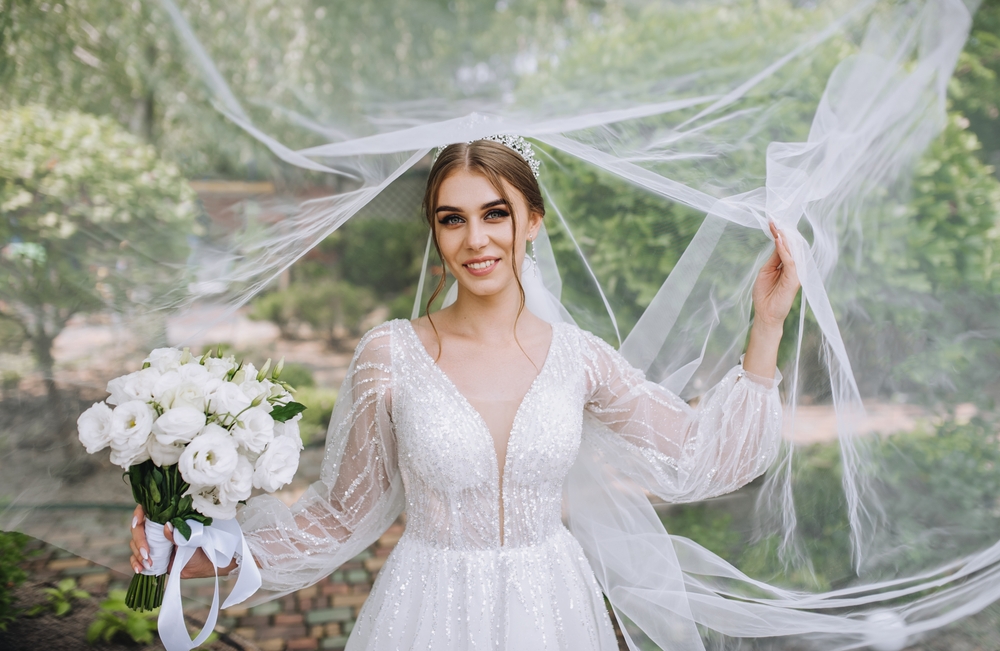
Flowers are one of the most essential elements of any wedding celebration. They set the tone, enhance your venue, and create those picture-perfect moments you will treasure forever. Whether you envision a romantic garden wedding, a modern minimalist affair, or a lush tropical celebration, the right floral choices can transform your vision into reality. This guide will help you navigate the process of selecting wedding flowers that truly reflect your style and personality.
Understanding Your Wedding Vision
Before you start browsing flower catalogs or meeting with florists, take time to clarify your wedding vision. Think about the overall aesthetic you want to create. Are you drawn to classic elegance, bohemian romance, contemporary chic, or rustic charm? Your vision will serve as the foundation for all your floral decisions. Consider creating a mood board with images from Pinterest, wedding magazines, or Instagram that inspire you. Look for common colors, flower types, and arrangements that appear repeatedly in your selections.
Your venue also plays a crucial role in determining your floral choices. A grand ballroom with high ceilings calls for dramatic, statement-making arrangements. An outdoor garden wedding allows for softer, more naturalistic designs. A modern loft space works beautifully with minimalist, architectural florals. Visit your venue and imagine how different flowers and arrangements would look in that specific space. Pay attention to lighting, wall colors, and existing decor elements that your florals will need to complement or contrast with.
Think about the season of your wedding as well. Spring weddings celebrate fresh, delicate blooms like cherry blossoms, peonies, and tulips. Summer allows for vibrant sunflowers, dahlias, and garden roses. Fall weddings shine with deep burgundy roses, orange ranunculus, and amaranthus. Winter weddings feature white roses, silver brunia, and evergreen elements. Working with seasonal flowers not only looks more natural but is also more cost-effective and ensures better flower quality.
Selecting Your Color Palette
Your flower colors set the emotional tone for your entire celebration. Colors evoke feelings and create specific atmospheres. Soft pastels like blush, ivory, and sage create a romantic, dreamy feeling. Bold jewel tones like emerald, sapphire, and amethyst bring sophistication and drama. Warm neutrals like champagne, tan, and cream offer timeless elegance. Bright, saturated colors like coral, sunflower yellow, and hot pink radiate joy and energy.
Consider your personal style and what colors make you feel confident and beautiful. Look at photos of yourself wearing different colors. Which ones make your skin glow and your eyes sparkle? These are likely your best color choices for your bridal party and coordinating florals. Think about how your wedding color palette will photograph. Some colors appear more or less vibrant depending on lighting conditions and camera settings.
Don’t feel limited to just two or three colors. Introduce depth by incorporating various shades of your chosen hues. Monochromatic arrangements using different tones of pink or blue create visual interest while maintaining cohesion. Add neutrals like white, cream, or greenery to balance bolder color choices. These neutral elements help prevent the overall look from feeling overwhelming or clashing.
Choosing the Right Flowers for Your Style
Different flowers carry different connotations and work better with certain wedding styles. Roses are timeless and romantic, working with almost any aesthetic from classic to modern. Peonies are luxurious and full, perfect for romantic and garden-style weddings. Dahlias offer dramatic texture and work well with bohemian, vintage, and modern designs. Ranunculus provide delicate, romantic looks with their numerous layers of petals. Hydrangeas offer substance and work beautifully in rustic and romantic arrangements.
Think beyond the traditional bridal flowers. Greenery and foliage are increasingly important in modern wedding design. Eucalyptus offers a soft, romantic quality. Ruscus provides texture and structure. Dusty miller adds a vintage feel. Mixed greenery creates a lush, organic appearance. Don’t underestimate the power of interesting foliage to elevate your floral design.
Consider mixing flower types to create dimension and visual interest. Combining garden roses with spray roses and hypericum berries creates a full, romantic look. Pairing dahlias with ranunculus and waxflower adds texture and movement. Using unexpected elements like protea, thistle, or astilbe makes your flowers memorable and unique. Work with your florist to explore combinations that align with your vision.
Working with a Professional Florist
Choosing the right florist is as important as choosing the flowers themselves. Your florist should understand your vision, listen to your ideas, and offer professional guidance based on their expertise. Start by looking at florist portfolios online. Do their design styles align with your aesthetic? Do you connect with their work? Schedule consultations with at least two or three florists before making your final decision.
During your consultation, bring your mood board and color palette samples. Discuss your budget openly and honestly. A good florist will work within your budget while maximizing impact. They can suggest cost-saving options like using more greenery, choosing seasonal flowers, or simplifying certain arrangements. Ask about their experience with your wedding style and venue. Find out how many weddings they handle on your wedding date and whether you will have adequate attention and support.
Request references from past clients and actually reach out to them. Ask about their experience, whether the florist communicated well, if they stayed on budget, and if they were flexible when needed. Ask your florist to prepare sample arrangements so you can see actual flowers in person rather than just in photos. Lighting, texture, and color appear differently in person than they do on a screen.
Budget Considerations and Practical Tips
Wedding flowers can represent a significant portion of your wedding budget, typically between five and fifteen percent. Understanding where your money goes helps you make smart decisions. Labor, design expertise, delivery, and setup all factor into pricing. Premium flowers like garden roses, peonies, and orchids cost more than standard roses or carnations. Complex arrangements with multiple flower types require more time and skill than simple designs.
To maximize your budget, focus your floral investment on the most visible arrangements. Your bridal bouquet, ceremony backdrop, and reception centerpieces should be your priority. Secondary arrangements like bridesmaid bouquets and cocktail hour flowers can be simpler and less expensive. Consider using potted flowering plants that guests can take home instead of elaborate centerpieces. Use candles, linens, and lighting to enhance your flowers without adding to the floral cost.
Communicate clearly with your florist about your budget and priorities. They can help allocate resources where they matter most. Ask whether you can reduce the number of arrangements, use more greenery, or choose less expensive flowers without sacrificing your overall vision. Remember that sometimes less is more, and a simple, well-executed design often looks better than an overly complicated arrangement.
Final Details and Timing
Timing is crucial when working with fresh flowers. Most floral arrangements are prepared the day before or the morning of your wedding to ensure maximum freshness and longevity. Discuss timing details with your florist, including when flowers will be delivered and where they will be stored before the event. Confirm that your florist understands your ceremony timing, reception setup, and any special requests.
Consider the longevity of your flowers. Some flowers last longer than others and hold up better to warm weather or outdoor conditions. If your wedding involves outdoor photos or a lengthy ceremony, choose hardy flowers. Roses, ranunculus, and dahlias generally last longer than more delicate flowers like lisianthus or sweet peas. Discuss preservation options with your florist if you want to save your bridal bouquet as a keepsake.
Conclusion
Selecting wedding flowers is an exciting journey that allows you to express your personality and create the wedding of your dreams. By clarifying your vision, choosing colors that inspire you, selecting flowers that reflect your style, and working with a skilled florist, you can ensure your florals are absolutely perfect. Remember that your flowers should make you happy and feel authentically you. When your florals align with your vision, everything else falls into place.
Need a Florist in San Francisco, CA?
Here at The Delicate Daisy, we are dedicated to helping you find the perfect flowers for every occasion. Whether you need flowers for birthdays in San Francisco, special occasion arrangements, or just a beautiful bouquet to brighten someone’s day, we have you covered. Our commitment to quality, creativity, and customer satisfaction makes us your go-to florist in San Francisco. Contact us today and let us help you make your moments magical with the beauty of flowers.