

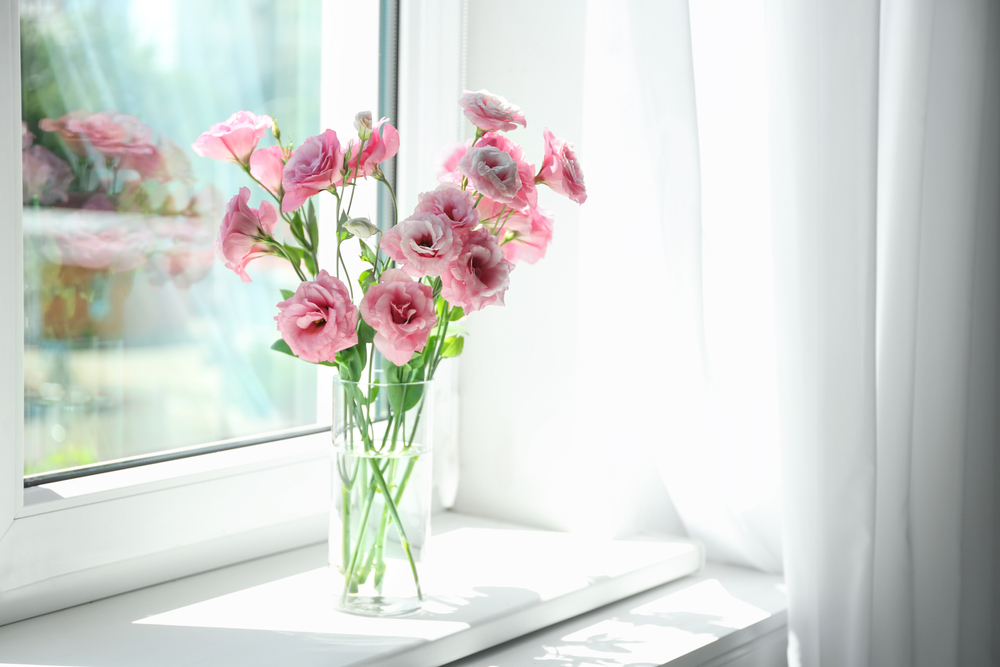
There is something deeply satisfying about bringing home a bouquet of fresh flowers. Whether they arrived through a flower delivery ordered for a special occasion or you picked them up yourself from a neighborhood market, those blooms can transform a room in seconds. The disappointment comes a few days later when petals droop and stems go soft well before you expected. The good news is that a little knowledge goes a long way. With the right flower care tips, you can stretch the life of almost any arrangement and enjoy your flowers for a week or more.
This guide walks you through the practical steps that florists rely on every day, so you can keep your bouquet looking vibrant for as long as possible.
Start With Clean Tools and a Clean Vase
The single most overlooked part of fresh flower care happens before a flower ever touches the water. Bacteria are the enemy of cut flowers, and a dirty vase is a breeding ground for them. Even if a vase looks clean, leftover residue from a previous bouquet can shorten the life of your new one dramatically. Wash your vase thoroughly with hot, soapy water, and if you want to go a step further, rinse it with a diluted bleach solution to kill any lingering microbes. Rinse again so no soap or bleach remains.
Your cutting tools matter just as much. Use a sharp knife or a clean pair of floral scissors rather than household scissors, which tend to crush stems instead of slicing them cleanly. A crushed stem cannot draw water efficiently, which leads to wilting no matter how careful you are with everything else. Wipe your blade clean before you begin. These small habits set the foundation for everything that follows, and they are the reason a professional arrangement so often outlasts one assembled in a hurry at home.
Cut Stems Correctly and Often
Knowing how to make flowers last longer often comes down to a single technique: the angled cut. When you trim your stems, do so at roughly a 45 degree angle. This increases the surface area available for water uptake and prevents the cut end from sitting flat against the bottom of the vase, where it would seal itself off and starve the bloom of moisture. Trim at least one inch from the bottom of each stem before placing it in water.
For the best results, make this cut while holding the stem underwater or immediately before submerging it. Air bubbles can travel up the stem and block the channels that carry water to the petals, a problem sometimes called an air embolism. Cutting underwater reduces that risk significantly. Once your flowers are arranged, plan to re-trim the stems every two or three days. Each fresh cut reopens the stem and renews its ability to drink. This repeated trimming is one of the most effective things you can do, and it costs nothing but a few minutes of your time.
Pay attention to the leaves as well. Any foliage that would sit below the waterline should be removed entirely. Submerged leaves rot quickly, fouling the water and accelerating bacterial growth that harms the entire arrangement. Strip those lower leaves, keep the upper foliage for shape and fullness, and you will notice a real difference in how long your bouquet stays fresh.
Feed the Water and Keep It Fresh
Flowers may be cut from their roots, but they still need nutrition. Most bouquets, especially those that arrive through a reputable florist, San Francisco shoppers trust, come with a small packet of flower food. That packet is not a marketing gimmick. It contains a balanced mix of sugar to feed the blooms, an acidifier to help water move up the stem, and an antibacterial agent to keep the water clean. Dissolve it fully in the recommended amount of water before adding your flowers.
If you run out of commercial flower food, you can make a reasonable substitute at home. A common recipe combines a teaspoon of sugar, a teaspoon of household bleach, and a couple of teaspoons of lemon or lime juice mixed into a quart of lukewarm water. The sugar nourishes, the bleach controls bacteria, and the citrus lowers the water’s acidity to mimic the conditions flowers prefer. Use this only as a backup, since the balance in commercial packets is more precise.
Changing the water regularly is just as important as feeding it. Cloudy or smelly water signals bacterial buildup, and that is your cue to act. Every two days, empty the vase completely, rinse it, refill it with fresh room temperature water, add new flower food, and re-trim the stems at the same time. This routine sounds like a lot, but it quickly becomes second nature and it is the closest thing there is to a guarantee for long lasting blooms.
Mind the Temperature and Location
Where you place your bouquet has a surprisingly large effect on its lifespan. Heat is one of the fastest ways to age cut flowers. Direct sunlight, the top of a television, a heating vent, or a spot near the stove will all cause petals to wilt and brown far sooner than they should. Choose a cool location with indirect light instead. A bright room without harsh afternoon sun is ideal.
Drafts and air conditioning can be just as damaging as heat, drying out delicate petals over time. Keep your flowers away from ceiling fans and open windows that funnel a steady breeze across the arrangement. There is also a less obvious culprit hiding in many kitchens: ripening fruit. Fruits like apples, bananas, and pears release ethylene gas as they ripen, and ethylene speeds up the aging of flowers considerably. Keep your bouquet and your fruit bowl in separate areas of the home.
If you want to truly maximize longevity, take a cue from professional florists and refrigerate your flowers overnight. Florists store their stock in cool rooms for a reason, since cold temperatures slow the metabolic processes that lead to wilting. Tucking your arrangement into the refrigerator while you sleep, then returning it to display in the morning, can add days to its life. Just make sure to keep it away from any fruit stored in the same space.
Tailor Your Care to the Type of Flower
Not every bloom behaves the same way, and effective fresh flower care means recognizing those differences. Woody stemmed flowers such as hydrangeas and lilacs drink best when their stems are cut and the bottoms are gently split, which opens up more surface for water absorption. Hydrangeas in particular can revive dramatically if you submerge the entire flower head in cool water for half an hour when they start to flag.
Tulips are famously thirsty and will continue to grow even after being cut, often bending toward the light in graceful curves. Bulb flowers like daffodils release a sap that can shorten the life of other flowers sharing the same vase, so it is wise to keep freshly cut daffodils on their own for several hours before mixing them into a larger arrangement. Roses benefit from having any wilted outer petals, sometimes called guard petals, gently removed so the bloom can open fully. Learning these quirks turns a generic routine into genuinely effective flower care tips that respect what each variety needs.
Final Thoughts
Keeping flowers fresh is not complicated once you understand the basics: clean vessels, sharp angled cuts, nourished and frequently changed water, a cool and stable location, and a little attention to the specific needs of each bloom. Put these habits together and you will routinely double the life of your arrangements. Treat each new bouquet as a small invitation to slow down and care for something beautiful, and your home will be brighter for it long after the flowers first arrive.
Need a Florist in San Francisco, CA?
Here at The Delicate Daisy, we are dedicated to helping you find the perfect flowers for every occasion. Whether you need flowers for birthdays in San Francisco, special occasion arrangements, or just a beautiful bouquet to brighten someone’s day, we have you covered. Our commitment to quality, creativity, and customer satisfaction makes us your go-to florist in San Francisco. Contact us today and let us help you make your moments magical with the beauty of flowers.